
Associate Professor Melkam A Kebede
Lab Head

Melkam Kebede was awarded her PhD in December 2008 from the University of Melbourne, where she investigated the metabolic consequences of pancreatic β-cell–specific overexpression of fructose-1,6-bisphosphatase using a transgenic mouse model. Her doctoral research was supervised by Professor Joseph Proietto and Associate Professor Sof Andrikopoulos.
Following her PhD, Melkam undertook two postdoctoral fellowships. The first was at the Montreal Diabetes Research Centre in Canada, under the mentorship of Professor Vincent Poitout. There, she studied the regulation and function of the G protein-coupled receptor GPR40 in pancreatic β-cells, supported by a postdoctoral fellowship from the Canadian Diabetes Association.
Her second postdoctoral fellowship was in the laboratory of Professor Alan Attie at the University of Wisconsin–Madison, where she investigated the role of the VPS10 family of proteins—particularly Sorcs1—in the formation and stability of insulin-containing secretory granules in β-cells. This work was funded by a mentor-based postdoctoral fellowship from the American Diabetes Association.
In 2015, Melkam returned to Australia to establish her independent research group as a Laboratory Head at the Charles Perkins Centre, University of Sydney, supported by a Philanthropic Fellowship from the University. Her laboratory is dedicated to understanding the mechanisms of pancreatic β-cell failure in the pathogenesis of type 2 diabetes, with research supported by Diabetes Australia and NHMRC Project and Ideas Grants.
Since her return, Melkam has continued to deepen her investigation into pancreatic β-cell biology, with a particular focus on insulin secretory granules—the specialized organelles responsible for insulin storage, maturation, and regulated release. Her research explores how granule biogenesis, trafficking, and degradation are disrupted in diabetes, and how these disturbances contribute to β-cell dysfunction. By dissecting the molecular machinery that governs insulin granule dynamics, her team aims to uncover novel therapeutic strategies to preserve or restore β-cell function in metabolic disease.
Current Members
Dr Belinda Yau
Postdoctoral Researcher
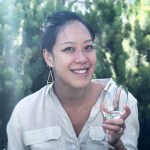
Belinda graduated from the University of Sydney wiht a Ph.D in Medicine in 2015 for her research in immune-modulating pathways of the brain in pneumococcal meningitis. She worked at the Save Sight Institute, Sydney Eye Hospital investigating drug targets for diabetic retinopathy, before joining the Islet Biology and Metabolism Laboratory in 2016.
She now works as a postdoctoral researcher in the Islet Biology and Metabolism Group. She is working to understand how insulin granules age and function in both health and metabolic disease, and investigates novel proteins in the trafficking network that governs insulin granule biogenesis.
Hayley Webster
PhD Candidate

Hayley first joined the Kebede Lab in 2024 as an Honours student under the primary supervision of Dr Belinda Yau. She completed her Honours with First Class Honours and chose to continue in the lab for her PhD, which she began in 2025. Hayley’s research focuses on investigating the role of the SCAMP3 protein in insulin granule biogenesis and secretion.
Sarah Gates
Honours student
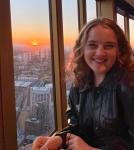
Sarah began her Honours project in the Kebede Lab in 2025, focusing on the role of the synaptic vesicle protein Synaptophysin in insulin granule biogenesis and secretion. Her work aims to uncover how Synaptophysin contributes to exocytosis of insulin-containing secretory granules in pancreatic beta-cells.
Kebede Lab Alumni
Dr Sheyda Naghiloo

Sheyda’s work in the Kebede Lab aimed to understand the changes that occur in the islets of Langerhans as an individual develops type 2 diabetes. Using mouse models representing each of the stages in progression from healthy to type 2 diabetic, she observed the changes that happen at the whole proteome level of islets. This project shed some light on the potential mechanisms that determine the progression through the stages of type 2 diabetes and allow for novel targets for treatment. Sheyda completed her PhD in 2022.
Dr Mark Germanos

Mark moved to Sydney in 2013 to study a Bachelor of Medical Science at the University of Sydney, while also working as a fitness professional. He first joined the Kebede Lab in 2016 as a Charles Perkins Centre Summer Scholar and went on to complete his Honours in 2017.
Fascinated by the process of secretory granule biogenesis, Mark chose to pursue a PhD focused on understanding the role of a novel soluble Golgi-resident protein in the sorting and transport of proinsulin from the trans-Golgi network into secretory granules.
Mark completed his PhD in 2022.
Dr Yousun (Sunny) An

Sunny joined the Kebede Lab in 2019 as a PhD candidate. His project focused on investigating the molecular basis of a novel cytosolic protein involved in insulin secretory granule (SG) biogenesis. This protein is essential for proper vacuolar assembly and trafficking, contributing to the formation and fusion of transport vesicles from the Golgi apparatus. However, its role in regulating the formation of immature insulin granules containing proinsulin at the trans-Golgi network remained unknown. To address this, Sunny employed proteomics approaches to identify interacting partners of the protein. By mapping its interactome, he uncovered novel protein-protein interactions involved in SG biogenesis. His findings provide important insights into the molecular mechanisms regulating insulin granule formation and beta-cell function. Sunny completed her PhD in 2024.
Dr Nicholas Norris

Nicholas first joined the Kebede Lab in 2019 as a Charles Perkins Centre Summer Scholarship student and continued in 2020 as an Honours student. He began his PhD in 2021, focusing on understanding the changes that occur in insulin secretory granules as they mature and age within pancreatic beta-cells. His research aimed to characterise insulin granules across their lifespan and investigate proteome-level changes associated with granule ageing. Through this work, Nicholas identified several novel granule-associated proteins that may shed light on the molecular mechanisms regulating insulin secretion and offer potential therapeutic targets for Type 2 Diabetes. Nicholas completed his PhD in 2024.
Past Honours Students
Hayley Webster (2024)
Patricia Joan Schwarzkopf (2023)
Nicolas Norris (2020)
Mathew Taper (2020)
Mark Germanos (2017)
Zachary Blood (2016)
 Kebede Lab